

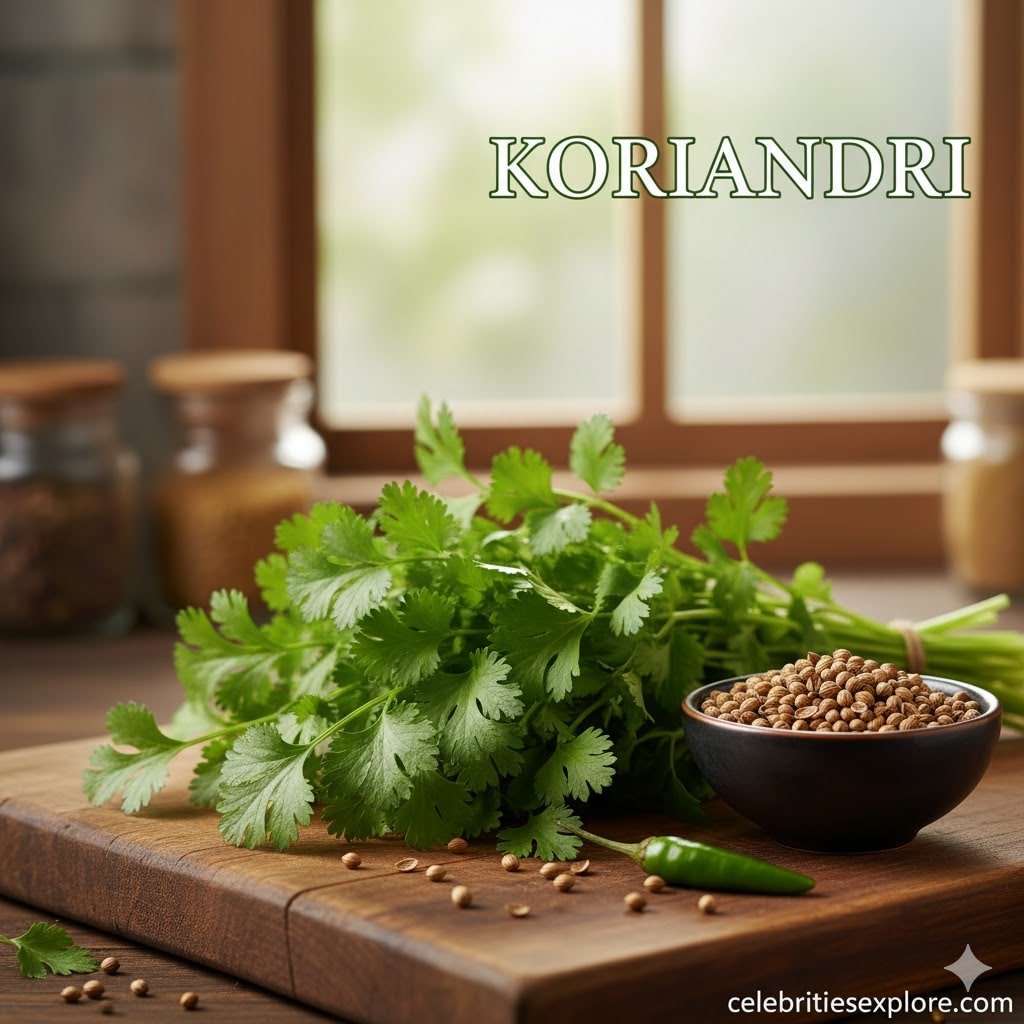
One herb has grown quietly through the fabric of world cuisine — from the market stalls in India to the busy kitchens in Mexico. It may be coriander to you, or another name by which it is recognized: cilantro or dhania. In Albania, it’s called Koriandri. Whatever you call it, this plant — Coriandrum sativum — has a story as rich and multifaceted as its flavor. With that zesty, citrus-like punch packed in its leaves and a warm, nutty “umami” in its seeds—or feen—Koriandri is more than just seasoning: it’s a symbol of culture, a medicinal powerhouse—and proof that when it comes to our food-based joys and sorrows (tight veils or stinky gorgonzola) we are all connected.
The Alaios Koriandri This blog is dedicated to the world of the Koriandre. We’ll follow its route through history, from the tombs of ancient Egypt to spice racks today. We’ll take a look at cooking with this versatile ingredient, learn what makes it so madcap healthy and even find out some differences of opinion on why some people don’t like it. By the end, you’ll have not only gained a new appreciation for this special herb but also dozens of ideas for including it in your life, helping to connect you to a tradition that stretches back thousands of years and across continents.
A Walk Through Time: The Koriandri Timeline
The history of Koriandri dates back to the ancient era of over 7000 years in the Mediterranean region and Southwest Asia. Its importance isn’t some newfangled trend, however: This bitter was held in high regard by ancient societies for its culinary and ceremonial uses. Archaeologists have found the seeds of Koriandri in the tombs of Egyptian pharaohs, including those of King Tutankhamen himself – implying that it was considered valuable enough to be taken on a journey into the afterlife with Egyptian royalty.
Koriandri was also esteemed by the Greeks and Romans. They used its seeds to flavor bread and in the preservation of meats, while its leaves produced fragrant wines. The father of medicine, Hippocrates wrote about its uses for therapeutic purposes and maintained it’s effective at promoting healing and wellness. As the world expanded through trade, Koriandri began a round-the-world voyage. Spread by merchants and explorers, it moved east to India and China and west through Europe. Later, it was brought to the Americas by the Spanish conquistadors and rapidly adopted by Mexican and Latin American cuisine.
This worldwide dissemination allowed Koriandri to become incorporated into countless cultural practices. In India, it became integral to spice mixtures like garam masala. In Mexico, the fresh leaves — called cilantro, or coriander — came to be seen as salsas’ and tacos’ signature flavour. This outstanding versatility is a statement of its worldwide appeal which has made it such an everyday taste in kitchens all over the world and yet still maintains its own peculiar cultural heritage from region to region.
Also Read More: Jim Odom Training Quality
The Many Faces of Koriandri: Its Culinary Aspects
Few things in the culinary world are as interesting as Coriandrum sativum’s double life. The plant can break down into two separate ingredients with completely contrasting flavor profiles, both having their own place in global cuisines.
The Zesty Leaves (Cilantro)
The leaf of the plant, which is known widely as cilantro in the Americas, is prized for its vibrant citrusy pepperiness. Their flavor is quite delicate and the best way to keep it fresh and conserve as much vitamin C as possible it to use them raw or at the very end of cooking.
- Cilantro, Latin American: Cilantro is the beloved and flavorful herb in a number of traditional recipes. It imparts a bright, zesty flavor to guacamole, salsa verde, and pico de gallo. But it’s also liberally sprinkled over tacos, burritos and soups.
- Indian Cooking: Called dhania, the fresh leaves garnish nearly every savoury dish, including creamy curries and lentil dals, plus spicy biryanis. It’s also a key ingredient in green chutneys, which provide a cooling counterpoint to hot foods.
- Thai and Vietnamese Cuisines: In Southeast Asia, cilantro brightens all manner of noodle soups (pho), spicy chicken salads (larb) and thickets of marinades and dipping sauces. It is the necessary ingredient for that perfect sweet sour salty spicy balance.
The Warm Seeds (Coriander)
The plant’s dried, globe shaped seeds are referred to as coriander. When dehydrated, the berries are tender and blandly sweet. Toasted and ground them release their full potential, offering a warm, nutty spicy scent that imparts base notes to countless dishes.
- Spice Blends: Ground coriander is an essential component of many of the world’s most renowned spice blends. It shows up in Indian garam masala, as well as many curry powders and elicits an earthy note that helps to unify other spices. It’s also a component in Middle Eastern za’atar and Egyptian dukkah.
- Marinades & stews: Because of the warm full flavor or coriander you may use it in your meat and poultry marinades. It also adds a depth of flavor to robust stews, soups and braises, providing a quiet complexity that unfolds through long simmering.
- Baking and Pickling: Whole or partially crushed coriander is also used in European baking, particularly rye breads and pastries. They are also common in pickle brine for vegetables, imparting a sharp flavor.
A Nutritional Powerhouse
Apart from its culinary flexibility Koriandri is loaded in nutrients and some of the highest amounts of vitamins, minerals and disease-fighting antioxidants. The leaves and seeds are low in calorie but high in nutrition, hence is a great addition to a healthy diet.
The new leaves are especially abundant in:
- Vitamin A: Important for vision, immune function and skin health.
- Vitamin C: An antioxidant which aids in immune function and the production of collagen.
- Vitamin K: Needed for blood clotting and bone health.
The seeds, although relatively less in these vitamins, provide dietary fiber and several minerals like:
- Iron: Required for transporting oxygen in the blood.
- Magnesium: Essential for muscle and nerve function.
- Potassium: Helps regulate blood pressure.
The health benefits of Koriandri are associated to it’s high level of antioxidants including quercetin, tocopherols and compounds such as linalool. These in turn have protective effects on the body against free radical-induced damage to cells, foodlea leang to reduced risk of chronic diseases. In addition, Koriandri’s digestion-promoting properties have been known in traditional medicine. It’s also known to kick start the production of digestive enzymes which in turn can relieve you of bloating, indigestion and gas.
The Great Taste Divide: Why Do Some of Us Hate Cilantro?

Despite Koriandri’s global appeal, it has a love-it or hate-it reputation. Though for most the fresh, zesty taste is enjoyable (and craving worthy), a fairly large percentage of the population tastes something soapy or metallic. This is not a case of picky eating, it’s an actual biological reaction to certain foods, one that can be traced through genetics.
Studies of this phenomenon have pinpointed a specific olfactory receptor gene, OR6A2, as one that has significant associations with this aversion. These genes cause certain people to be sensitive specifically to the aldehyde compounds found in the leaves of cilantro. For them, the aldehydes — which are also a byproduct of soap-making — crowd out the herb’s delightful citrusy notes in their mouths.
The distribution of this hereditary trait differs from one race to another. It is more frequent in those of East Asian, Caucasian and African descent and less common in populations where cilantro (erephyllum sativum) is a dietary regular such as Jews of South Asian, Hispanic and Middle Eastern origin. That would imply that culture has a role to play in it, and perhaps an evolutionary one: cultures that have been consuming the herb for centuries may be less susceptible to racism due to a decreased incidence of the “soapy” gene.
Koriandri in Traditional Medicine
Koriandri had been firmly established in curative traditions of many different cultures long before modern research started to confirm its therapeutic properties. The healing effects of it were even recorded in ancient writings and we still use the plant today as a way to heal and cure a variety of ailments.
In Ayurveda, the ancient Indian system of medicine, Koriandri is classified as a tridoshic herb that balances all three doshas (Vata, Pitta and Kapha). It is considered as having very cooling properties and so cools the heat in the body to treat inflammation. It is taken in Ayurvedic medicine for a digestive tonic to soothe the gut, a diuretic to stimulate kidney function and as a powerful detoxifier that purifies the blood and liver.
According to TCM, Koriandri is beneficial for digestion and assisting the body to rid itself of toxins. It is often advised for conditions like food poisoning and measles. And in Unani medicine, a traditional system of medicine originating from the Middle East and South Asia, the herb is used to cure indigestion, headaches and dizziness. And these persistent traditional uses speak to K. longipes’ age-old reputation for providing sustenance and remedy.
Koriandri in Modernity
Today Koriandri is still part of global culture, linking us to cultural traditions and customs from ancient times and fitting contemporary way of life. It’s championed by chefs and home cooks for adding rich flavor to dishes, though health-food seekers also value it for its potent nutritional and medicinal benefits.
There is also a sustainability conversation going on around Koriandri as well. As it is an easy-to-cultivate herb, it’s a poster child for urban and small scale agriculture. Its flowers appeal to insects such as bees, which benefit biodiversity. The good news is that if you’re space challenged, it’s easy to grow Koriandri at home – either in a garden bed or in a pot on your windowsill – making access to fresh organic supplies easier and obviously lessening your carbon/greenhouse gas footprint.
A Legacy of Flavor and Health
But koriandri is not a mere herb ; it’s a living link between past and present. It is a voyage of flavor, culture and healing that has traveled across continents and over millennia. From its religious significance in ancient ceremonies to its role in contemporary self-care, this unassuming plant has stood the test of time.
Whether you’re scattering fresh cilantro over a taco, grinding coriander seeds for a curry or brewing a digestive tea, you are part of cosmic tradition. By giving ourselves completely to Koriandri, in each of its miraculous guises, it serves not only as a promoter of our food and our robust health but also acts as an homage to the cascading colors and patterns which unfold in the endless journey we call human history.
Frequently Asked Questions
What is Koriandri?
Koriandri is a synonym of Coriandrum sativum. Its fresh leaves are called cilantro and that is what it is most common as, while its seeds are referred to as coriander. Both are common ingredients in cuisines around the world.
What is Koriandri good for you?
Koriandri is a good source of vitamins A, C, and K, as well as minerals like iron and magnesium. It is packed with potent antioxidants and anti-inflammatory support, supports the digestive process, and may even lower both blood sugar and cholesterol.
How do I include Koriandri in my cooking?
Use the new leaves (cilantro) for salads, salsas, chutneys and as a garnish for soups and curries. The dried seeds (coriander), whether whole or ground, can be used to spice rubs, marinades stews, and baked goods.
Why does Koriandri (cilantro) tastes like a soap to few?
This taste sensitivity is associated with a genetic variation in the OR6A2 olfactory receptor gene. That gene renders some individuals especially sensitive to aldehyde compounds in the leaves (not themselves soapy, but chemically similar to ones that are found in soap).
Is Koriandri easy to grow at home?
Yep koriandri is easy to grow. Ideal for pots or garden beds with full sun and free-draining soil. You can begin to harvest the leaves in just a few weeks, and allow some of the plants to go to seed so you can harvest your own coriander seeds.
Read more Topics on celebritiesexplore.com


