

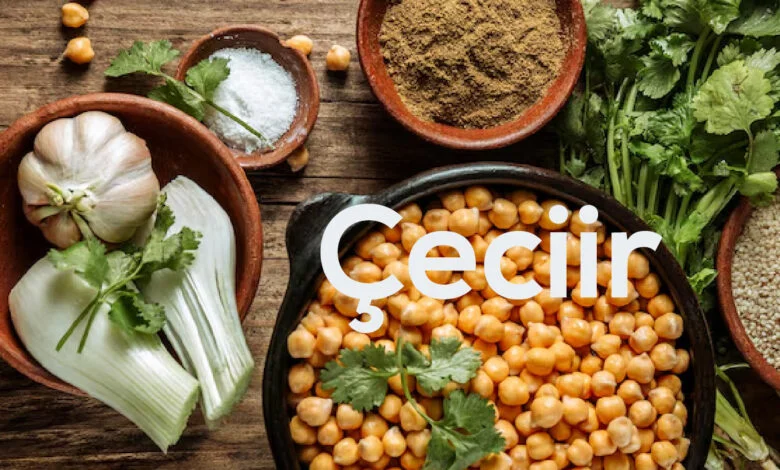
For ages, the classic Turkish dish Çeciir has delighted palates and touched hearts. Fundamentally, çeciir is created from chickpeas, a simple legume that is high in fiber and plant-based protein and may be cooked into a crunchy, healthful snack or a rich, savory stew.
Cesciir, which has its roots in ancient Anatolia, represents not just sustenance but also the profound cultural values of community and hospitality that are valued in Turkish and Middle Eastern culinary traditions. Over the course of slow cooking, the dish’s basic ingredients—onions, garlic, tomato paste, and traditional spices like cumin and paprika—combine to produce a hearty dinner that has endured.
Cesciir is a tasty way to discover Turkey’s rich history, whether you’ve had it as a filling stew with rice and fresh herbs or as crunchy roasted chickpeas with tea. It is a favorite among people looking for wholesome, filling, and gluten-free meal options because of its health advantages.
The Fascinating Origins of Çeciir
The broad and varied culinary traditions influenced by Middle Eastern and ancient Turkish civilizations are the intriguing source of çeciir. The primary component of çeciir, chickpeas, are among the oldest crops grown in Anatolia, having been grown there for more than 7,000 years. Originally prized for their hardiness and nutritional worth, nomadic Turkic tribes that traveled across Central Asia before settling in Anatolia relied heavily on chickpeas in their meals.
These tribes’ traditional cuisines were enhanced by new agricultural goods and cooking techniques they came across as they settled. From being just roasted or boiled chickpeas consumed on the run, çeciir has developed over ages into a representation of Turkish hospitality and community. Ceciir, a dish served in both palaces and houses throughout the Ottoman Empire, rose to prominence as a symbol of hospitality and friendliness. The act of offering çeciir brought individuals from all walks of life together and transcended social boundaries.
The dish’s enduring appeal is partly a result of its adaptability and profound cultural significance. Over time, çeciir was able to adjust to shifting culinary trends and needs thanks to chickpeas’ capacity to be stored by roasting or grinding into flour. As a wholesome mainstay and a link to the nation’s rich cultural past, çeciir is still a popular component of Turkish cuisine today.
Also Read More: Lauren Rappoport
What Goes Into Çeciir? Simple Ingredients, Rich Flavors
The ingredients used to make Çeciir are straightforward but bursting with flavorful combinations that have been refined over centuries of Turkish cooking. Fundamentally, dried chickpeas (nohut), which are soaked overnight and cooked until tender, are the main ingredient in çeciir. For the hearty stew version, finely chopped garlic and onions are sautéed in olive oil to enhance their aromatic and sweet flavors. In addition to a finely balanced blend of spices like cumin, paprika, oregano, red pepper flakes, and bay leaves that give the stew a distinctive earthiness and delicate heat, the meal is then enhanced with tomato paste, which offers a warm, tangy depth.
To enhance the flavors and add freshness, some recipes call for the use of fresh herbs, such as parsley, or a final squeeze of lemon juice. The meal is seasoned to taste with salt and black pepper.
The roasted chickpea snack variant involves tossing chickpeas with salt, olive oil, and spices (such paprika or a blend of Turkish spices) before roasting them until they become crunchy and enticing. The humble bean is transformed into a tasty, high-protein snack with this easy combo.
The Step-by-Step Guide to Making Classic Çeciir Stew

To start, soak the dry chickpeas in water for the entire night. This ensures even tenderness by softening them and cutting down on cooking time. Once the chickpeas have soaked, drain them and put them in a pot. After adding fresh water, cover the chickpeas and boil them slowly for 45 to 1 hour, or until they are soft but not falling apart.
- Heat the olive oil in a big pot over medium heat to prepare the flavor base while the chickpeas are cooking. Finely chopped onions and minced garlic should be sautéed until they release their inherent sweetness and become soft and fragrant. After that, whisk in the tomato paste, which gives the stew a deep, acidic flavor.
- It’s time to add the spices now. Add a few bay leaves, red pepper flakes, oregano, cumin, and paprika to the saucepan. The distinctive earthy and slightly smoky flavors of çeciir are infused into the stew by these fragrant spices.
- Add the cooked chickpeas and their broth or cooking liquid once the spices have bloomed in the oil. To bring out the flavors and give the stew a little thickness, simmer everything for about half an hour on low heat.
- If preferred, mix in freshly squeezed lemon juice and chopped parsley to brighten the stew and season with salt and pepper to taste near the end. Traditionally served with warm flatbread or steaming rice, çeciir stew is a hearty dish that can be enjoyed at any time of year.
Versatile Uses: Beyond the Stew
Although çeciir is most frequently consumed as a filling stew, its uses are not limited to this conventional preparation. Roasted chickpeas are a popular version; they are roasted until they are delightfully crunchy after being mixed with olive oil and spices like paprika, cumin, and garlic powder. This snack, which is popular with Turkish tea or as a quick snack while on the road, provides a healthy, high-protein substitute for common processed snacks.
Chickpea flour, often known as gram flour, is another unique application for çeciir. A common ingredient in vegan and gluten-free baking, this finely powdered powder enables the production of foods like savory flatbreads, pancakes, and even thickening agents for soups and sauces. Chickpea flour adds protein and fiber and has a subtle, nutty flavor.
In addition to stew and flour, cooked or roasted chickpeas give a delightful crunch and increase the protein content of salads and grain bowls. Some contemporary recipes show how çeciir can be adapted to current culinary trends by inventively incorporating chickpeas into smoothies or even desserts like chickpea brownies.
Nutritional Benefits of Çeciir: A Superfood With Heart
More than just a tasty snack or stew, Çeciir, which emphasizes chickpeas as its nutrient-dense base, is a potent source of vital nutrients and health advantages. The main component of çeciir, chickpeas, have a remarkable nutritional profile that promotes many facets of human health. About 269 calories, 14.5 grams of protein, and 12.5 grams of dietary fiber are found in one cup of cooked chickpeas. Because of this, çeciir is perfect for supporting muscle growth and repair, assisting with digestion, and encouraging satiety—all of which are crucial for vegetarians and vegans.
Chickpeas are exceptionally high in vitamins and minerals that are necessary for overall health in addition to macronutrients. They provide substantial amounts of minerals like iron, magnesium, potassium, and zinc, as well as manganese, which supports metabolism, and folate (vitamin B9), which is essential for DNA synthesis and cell growth. Cesciir is a heart-healthy dietary choice because of these nutrients, which work together to lower bad cholesterol and help control blood pressure.
Additionally, chickpeas’ soluble fiber helps maintain stable blood sugar levels, which may lower the risk of type 2 diabetes. Their high polyunsaturated fat content and low fat content help in inflammation reduction and weight management.
Why Çeciir Endures: Food, Culture, and Connection
A meaningful emblem that is firmly embedded in Turkish culture and communal identity, Çeciir is much more than just a simple meal. Its enduring popularity over the ages illustrates how food can unite people, customs, and history. Serving çeciir to visitors shows warmth and respect, and sharing it is a sign of hospitality and charity in Turkey. Sharing strengthens ties and creates an environment for intergenerational storytelling, laughter, and togetherness.
Beyond customs, çeciir represents tenacity and continuity. The main ingredient, chickpeas, have been grown in Anatolia for more than 7,500 years, representing the ingenuity of rural societies that depended on resilient crops for sustenance. From Ottoman royal kitchens to rural houses, çeciir changed over time to accommodate changing gastronomic tastes while preserving its cultural identity.
Because of its adaptability, it may be used in both celebratory and everyday meals, showcasing the creative spirit of Turkish cooking. Because of its pleasant flavors and nutritional benefits, çeciir is still a staple in modern diets, whether it is consumed as a crunchy snack, a nourishing stew, or flour for baking.
Incorporating Çeciir into Modern Life
A great method to combine tradition with modern culinary trends is to incorporate çeciir into daily living. Because of its chickpea base, çeciir is a great choice for consumers who are looking for more wholesome, plant-based, and gluten-free options. Its adaptability makes it ideal for busy lifestyles; the stew may be prepared in bulk and frozen or refrigerated for healthy, quick dinners all week long. A contemporary take on çeciir, roasted chickpea snacks offer a quick, high-protein substitute for processed food for on-the-go hydration.
Furthermore, chickpea flour made from the main ingredient in çeciir is becoming more and more well-liked in vegan and gluten-free baking communities. It is a popular substitute flour because it gives bread, pancakes, and sweets a distinct, nutty flavor. Grain bowls, salads, and even fusion dishes that combine Turkish flavors with other cuisines are examples of how home cooks and professional chefs experiment with çeciir materials.
Adopting çeciir allows both food-curious and health-conscious people to savor a varied, culturally rich dish that honors centuries of Turkish culinary tradition and promotes a balanced lifestyle. Including çeciir in your diet acknowledges a delectable link to tradition while also promoting wellness.
FAQs
What is Çeciir?
Made primarily of chickpeas, Çeciir is a typical Turkish cuisine that is frequently served as a stew, roasted snack, or simply as chickpea flour. It is deeply ingrained in Middle Eastern and Turkish cuisine.
What ingredients are needed to make Çeciir?
Dried chickpeas, onions, garlic, tomato paste, olive oil, spices (such cumin, paprika, oregano, and red pepper flakes), and broth are typical ingredients. Common garnishes include lemon juice and fresh parsley.
Is Çeciir gluten-free?
Indeed, because chickpeas are inherently gluten-free, people with celiac disease or gluten intolerance can safely eat them.
How long does it take to prepare Çeciir?
Chickpeas are usually soaked overnight and then simmered for 45 to 90 minutes. Cooking time can be greatly decreased by using canned chickpeas.
Can Çeciir be made in advance?
Of course. After the flavors have combined, it tastes even better the next day. For up to five days, keep it refrigerated in an airtight container.
How is roasted chickpea Çeciir different from the stew?
A fantastic protein-rich snack, roasted chickpeas are mixed with olive oil and spices before being baked till crunchy. The stew is a hearty, nourishing dish made with vegetables and broth.
What can I serve with Çeciir?
To counterbalance its robust flavors, it goes well with grilled veggies, rice, flatbread, yogurt, or feta cheese.
Are there regional variations of Çeciir?
Indeed, while chickpeas remain the major ingredient, recipes in Turkey and its bordering countries vary, adding regional spices, meats, or other vegetables.
Conclusion
A timeless symbol of Turkish culinary heritage, Çeciir combines traditional recipes with basic ingredients. Cesciir continues to be incredibly nutritious for the body and mind, whether it is consumed as a hearty chickpea stew, a crunchy roasted snack, or adaptable chickpea flour. Its continuing appeal across generations is evidence of how healthful, savory food that is intricately entwined with culture and relationship can appeal to people everywhere.
A tasty, nourishing journey into one of Turkey’s most cherished dishes is provided by incorporating çeciir into your kitchen, opening the door to a world where history, health, and hospitality all come together on your plate. Try it and savor the comforting flavor of Turkish tradition with each bite.
Also Read More: Beit Bart


